Mastering the Art of Portion Control: Key to Weight Management
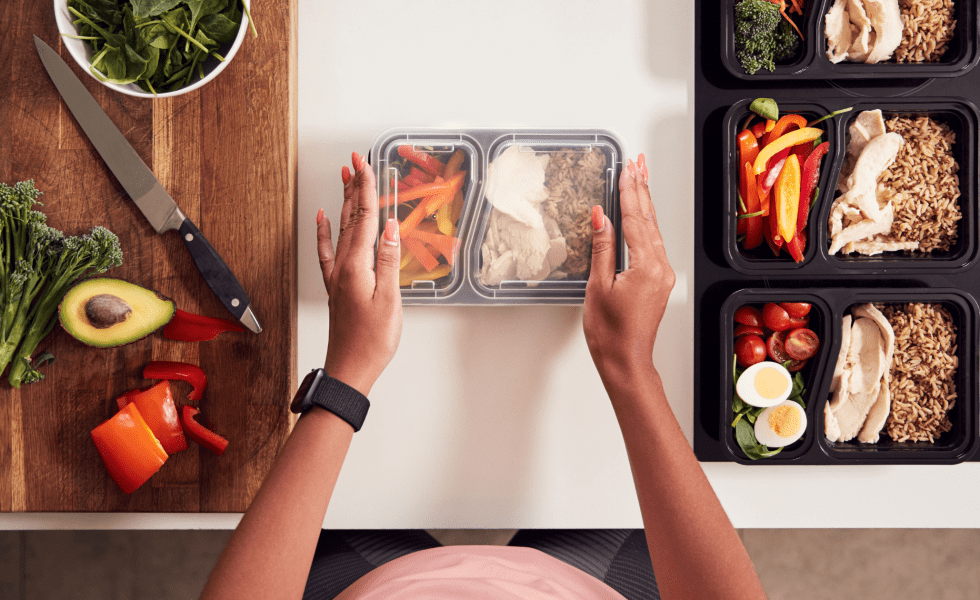
Achieving and maintaining a healthy weight is not just about what you eat but also how much you eat. Portion control is the secret ingredient in the recipe for weight management. It’s not about depriving yourself, but rather about understanding the right proportions to keep your energy intake in check. In this article, we will explore the art of portion control and how it can be your key to effective weight management.
Why Is Portion Control Important?
Before we dive into the practical aspects of portion control, let’s understand why it’s so crucial for weight management:
1. Calorie Control: By managing portion sizes, you naturally control your calorie intake. Consuming excess calories, even from healthy foods, can lead to weight gain.
2. Balanced Nutrient Intake: Portion control helps you strike a balance between different nutrients. You can ensure you’re getting the right amount of protein, carbohydrates, and fats for your body’s needs.
3. Prevents Overeating: It’s easy to overeat when you don’t pay attention to portions. Proper portion control helps prevent the common habit of eating beyond fullness.
4. Satisfies Hunger: By eating the right portions, you satisfy your hunger without overindulging. This promotes satiety and helps you avoid unnecessary snacking.
The Art of Portion Control: A Visual Guide
Portion control can be simplified by using visual cues. Here’s a practical guide to help you master the art of portion control:
– Protein: Your palm’s size is a handy reference for protein portions. A serving of lean protein, like chicken or fish, should be about the size of your palm. This usually amounts to around 3-4 ounces.
– Carbohydrates: Carbs, such as rice, pasta, or bread, should match the size of your closed fist. For many people, this equates to about one cup of cooked grains.
– Fats: The size of your thumb is a good indicator for healthy fats like nuts, avocados, or olive oil. A serving should be roughly the size of your thumb, which is approximately a tablespoon of oil or a small handful of nuts.
– Vegetables: When it comes to veggies, there’s no need to limit yourself. Fill your plate with colourful vegetables and aim for variety. They are low in calories and high in nutrients, so you can enjoy them in unlimited quantities.
Putting It Into Practice
Now that you have a visual guide for portion control, here are some tips to help you put it into practice:
1. Use Smaller Plates: Opt for smaller plates and bowls. A full plate on a smaller scale can trick your brain into feeling satisfied.
2. Read Labels: When you buy packaged foods, check the serving size on the label. This can help you stick to the recommended portion.
3. Listen to Your Body: Pay attention to hunger and fullness cues. Eat slowly and stop when you feel satisfied, not stuffed.
4. Meal Prep: Plan your meals and portion them out in advance. This can help you avoid overeating and make healthier choices.
In conclusion, mastering the art of portion control is a valuable skill for effective weight management. It allows you to enjoy a variety of foods while keeping your calorie intake in check. By following the visual cues for protein, carbs, and fats, and embracing an abundance of vegetables, you can achieve a balanced diet that supports your health and fitness goals. Remember, it’s not about restriction, but about finding the right balance for a healthier you.
 TOM PEERS FITNESS